New York City is arguably the fashion and retail capital of the world. For generations, shopping in Manhattan has been much more than a simple transaction; it is a cultural ritual, a lifestyle statement, and a form of entertainment. From the historic department stores of Fifth Avenue to the cutting-edge concept boutiques hidden in the cobblestone streets of SoHo, the New York City store represents the pinnacle of global retail innovation.
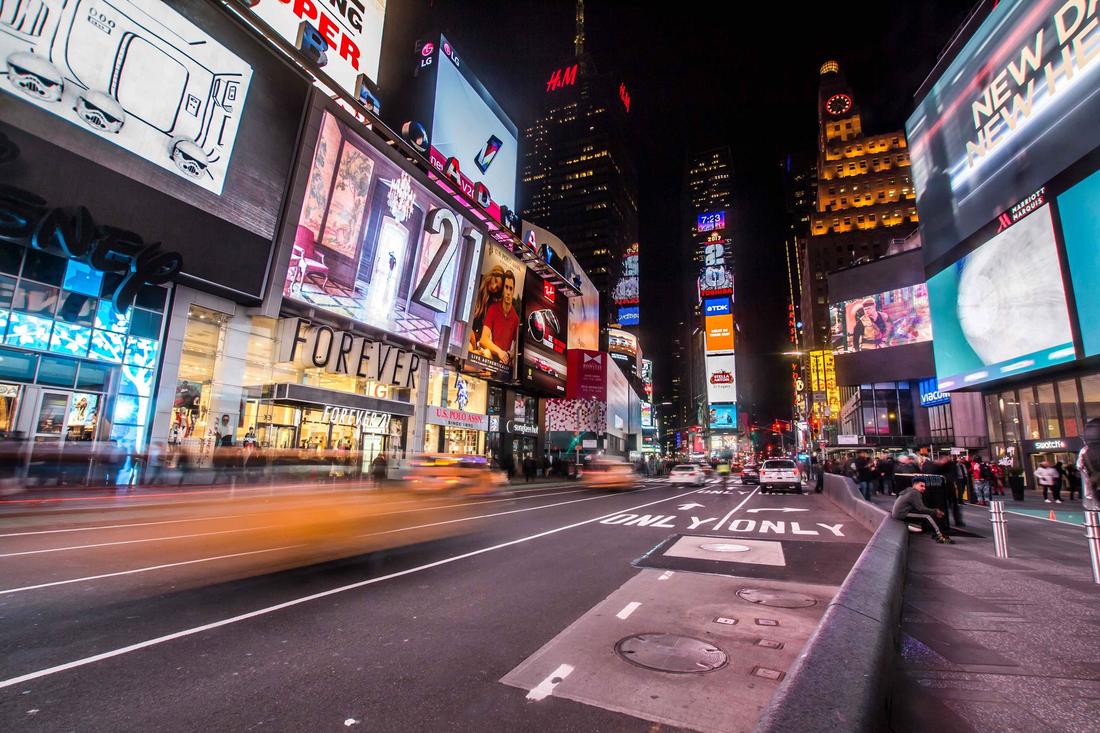
However, the retail landscape in the Big Apple is undergoing a dramatic shift. In an era dominated by online shopping, physical brick-and-mortar stores in New York City have had to reinvent themselves. Today, they are no longer just places to hold inventory; they are immersive, experiential spaces designed to tell stories and build deep community connections. Here is a look inside the fascinating world of the modern New York City store.
1. The Architectural Marvels of Fifth Avenue
No discussion of New York City retail can begin anywhere other than Fifth Avenue. This iconic stretch of real estate has long been the gold standard for luxury shopping, acting as a glamorous stage where heritage brands showcase their grandest visions.
The Legacy of the Grand Department Store
Historic giants like Saks Fifth Avenue and Bergdorf Goodman are not merely shops; they are architectural monuments. Walking through their doors feels like stepping into a living museum of fashion history. These institutions have survived the digital age by doubling down on hyper-luxurious, personalized services. Today, wealthy shoppers visit these stores for private styling suites, exclusive runway viewings, and high-end dining experiences, turning a day of shopping into an elite social event.
The Era of Retail Theatre
Fifth Avenue is also home to flagship stores that pioneered the concept of “retail theatre.” The Apple Store Fifth Avenue, with its famous, luminous glass cube entrance, treats technology like fine art. Meanwhile, stores like Tiffany & Co.’s newly transformed flagship, “The Landmark,” blend jewelry shopping with custom art installations, immersive digital screens, and high-end cafes. These stores understand that to get a consumer off their couch, the physical space must offer an awe-inspiring visual spectacle.
2. SoHo and the Indie Concept Revolution
If Fifth Avenue represents the grand traditions of retail, the neighborhood of SoHo (South of Houston Street) represents its trendy, avant-garde future. Known for its distinct cast-iron architecture, SoHo is the playground for independent designers, streetwear brands, and direct-to-consumer digital startups testing the physical market.
Blurring the Line Between Art and Commerce
Stores in SoHo reject the traditional layout of crowded clothing racks and fluorescent lighting. Instead, walking into a SoHo boutique often feels like walking into an art gallery. Minimalist displays, custom-made furniture, and curated ambient playlists dominate the space. Brands use these locations to showcase a limited selection of highly exclusive items, creating an atmosphere of scarcity and desirability that resonates deeply with younger, style-conscious shoppers.
The Rise of the Community Hub
Many SoHo stores function primarily as physical touchpoints for brands that built their reputation online. These spaces frequently feature built-in espresso bars, bookstores, or podcast studios. They host weekly panel discussions, art launches, or run clubs. By transforming the store into a neighborhood community hub, these brands foster fierce customer loyalty that translates directly into long-term digital sales.
3. The Neighborhood Boutiques of Brooklyn
To truly understand how the New York City store has evolved, one must cross the East River into Brooklyn. Neighborhoods like Williamsburg, Greenpoint, and DUMBO offer a completely different retail energy that focuses heavily on curation, vintage culture, and sustainability.
The Curated Vintage Renaissance
Brooklyn stores have perfected the art of the curated vintage archive. Instead of overwhelming thrift stores, these boutiques feature carefully selected pieces from past decades, meticulously repaired and beautifully styled. This approach appeals directly to the eco-conscious consumer who views fashion through the lens of sustainability and unique self-expression.
Celebrating Local Makers
Unlike the massive global conglomerates dominating midtown Manhattan, Brooklyn stores often serve as incubators for local artisans. It is common to find boutiques that sell handmade ceramics from a studio down the street, locally poured candles, and small-batch skincare products. This emphasis on hyper-local commerce provides a refreshing, intimate shopping experience that celebrates the diverse creative spirit of New York City’s outer boroughs.
Conclusion
The New York City store is far from dead; it is simply more dynamic than ever before. Whether it is a multi-story luxury palace on Fifth Avenue, a sleek direct-to-consumer playground in SoHo, or a charming independent boutique in Brooklyn, physical retail in New York continues to set the global trend.
By shifting their focus from pure transaction to unforgettable experience, these stores have proven that physical retail possesses a unique magic that digital screens can never truly replicate. The modern New York City store is a testament to the city’s endless capacity for reinvention, remaining a vibrant, essential part of the ultimate urban adventure.